


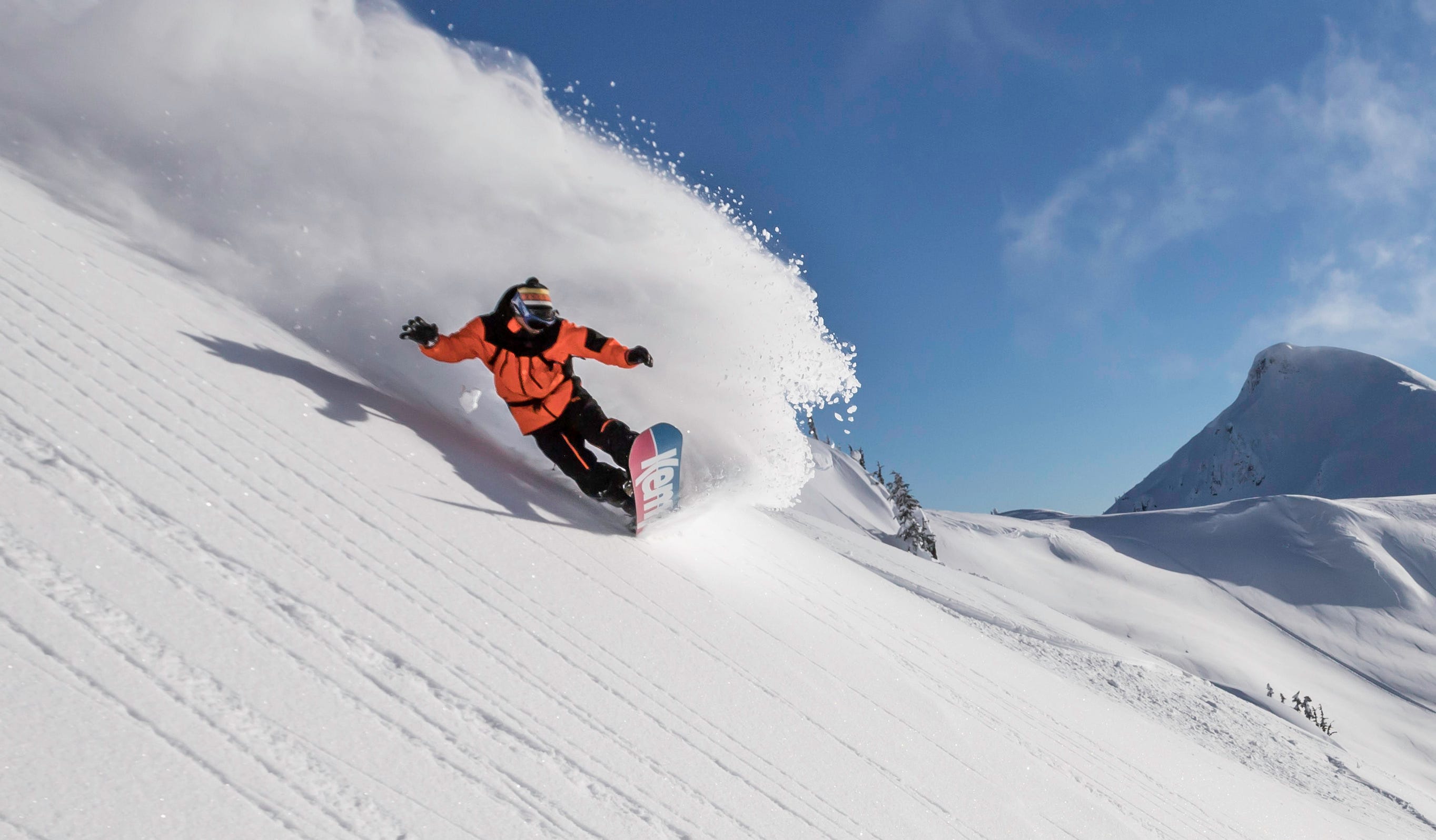
The snowboarding world lost Martin Gallant last week to pancreatic cancer. He would’ve been 53 years old yesterday, which isn’t nearly enough time for someone who lived the way he did.
If you’ve been snowboarding for more than 20 years, you probably know who Martin was. But if you’re newer to snowboarding, here’s what you need to understand: Martin was the guy who made it possible for every French-Canadian snowboarder who came after him. Before the 418 Crew, before DCP (David Carrier Porcheron) became a household name, before any of that, Martin drove a beat-up Ford Maverick across Canada in 1991 because he saw Damian Sanders and Shaun Palmer hitting the Blackcomb windlip in a snowboard movie called Critical Condition. That’s not snowboarding mythology. That’s what actually happened.
Read: What is Core Snowboarding?
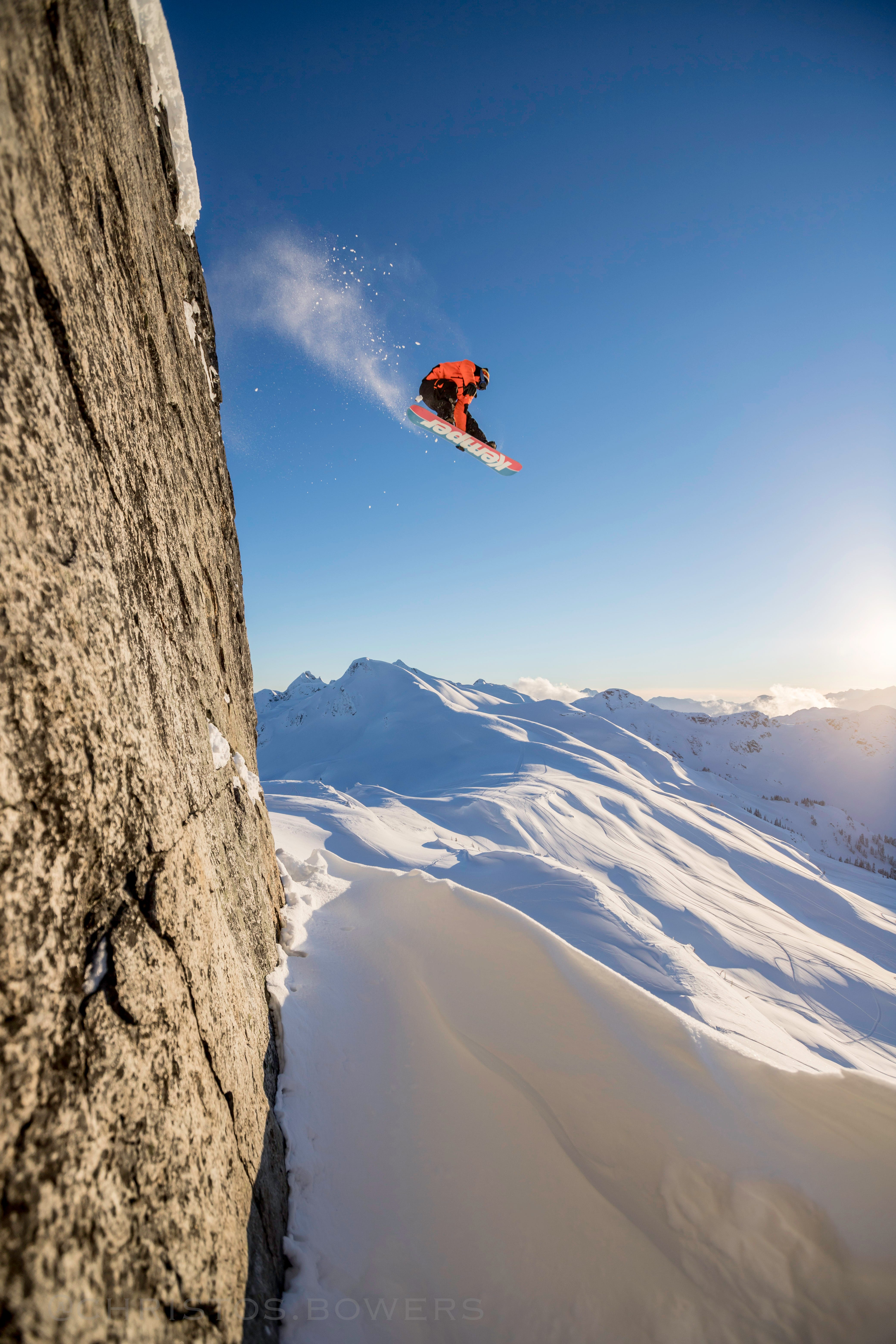
He showed up in Whistler with nowhere to stay, broken English, and an absolute refusal to do things any way except his own. He got that TransWorld SNOWboarding centerfold in ’92, the one with the tweaked-out method and suddenly Kemper Snowboards came calling. This was peak Kemper, when the brand still meant something, when it represented a certain attitude about snowboarding that had nothing to do with quarterly earnings reports.
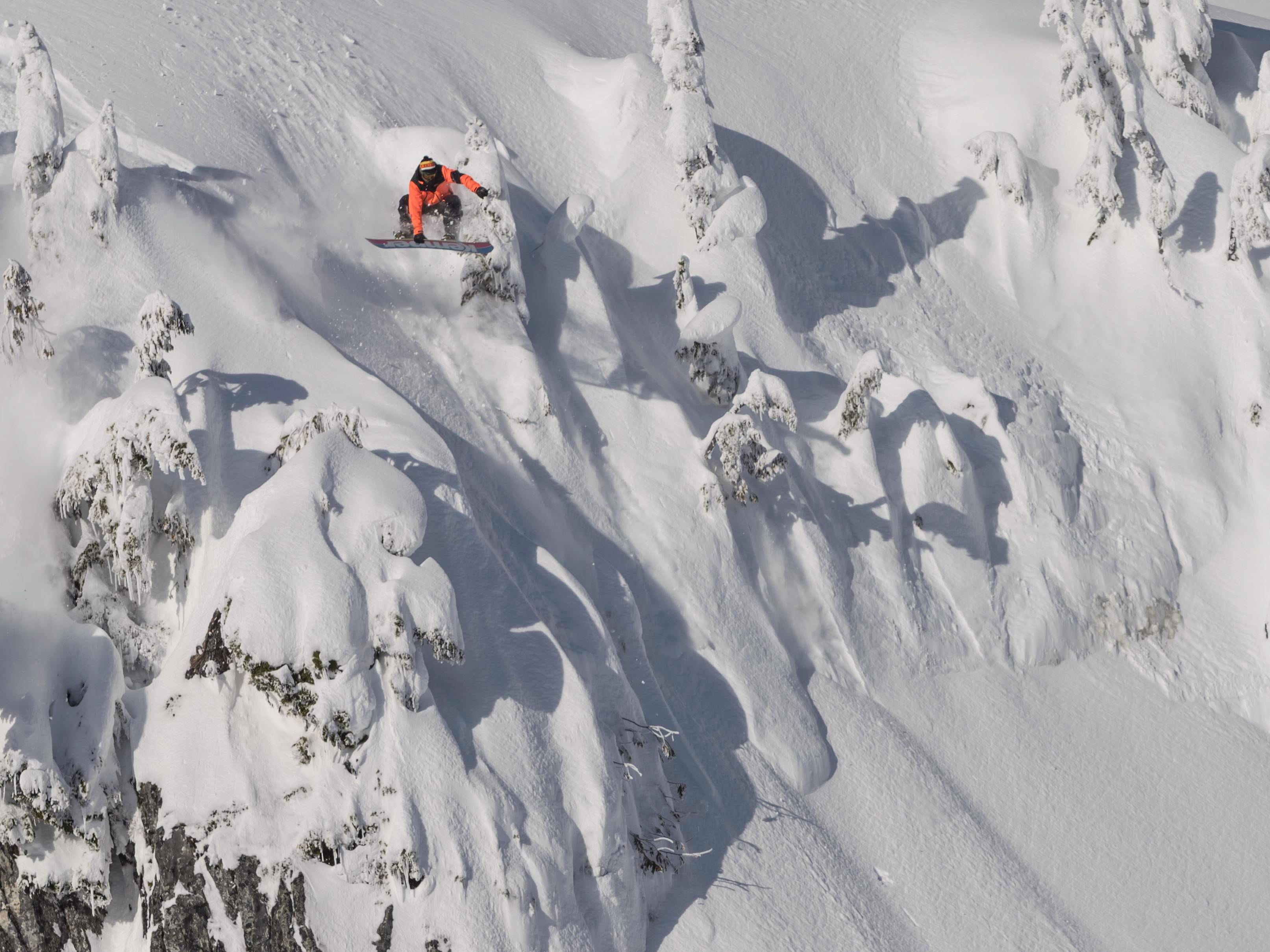
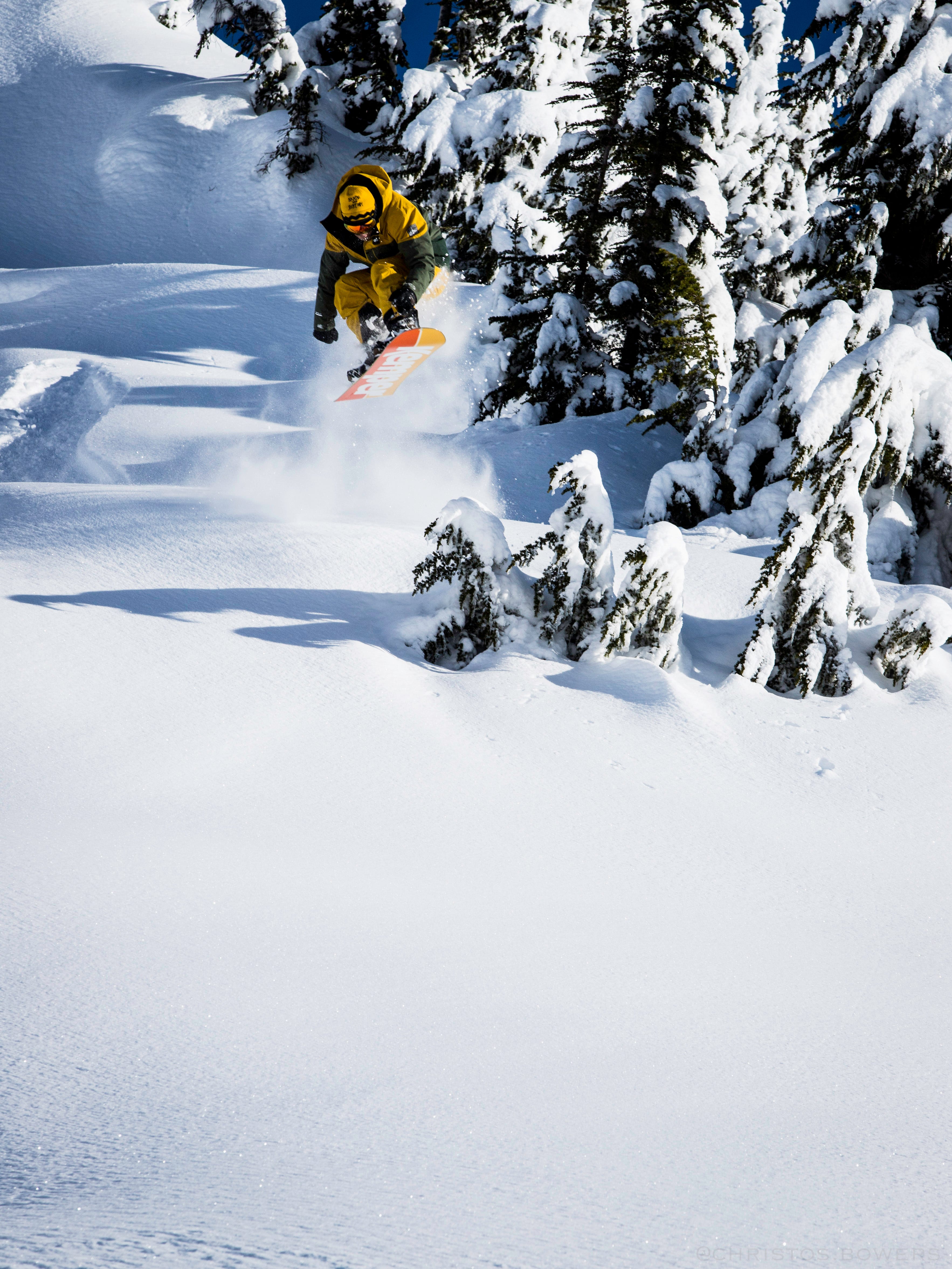
When I revived Kemper (from 2018 to 2023), getting Martin back on the team wasn’t a nostalgia play … It was acknowledging that some riders represent what a brand actually stands for. We gave him two pro models during that run, and he rode them the way he rode everything, like someone who never forgot why he started snowboarding in the first place.
Here’s what separated Martin from most “legends”: He never stopped being the guy who just wanted to hit jumps and slash pow. When the industry shifted toward business-first, content-second, Martin didn’t adapt by becoming a brand manager or consultant. He bought an RV with his brother Pascal, started The Gathering Collective, and kept riding. He mentored riders not because there was a camera on or because it would help his career, but because that’s what you do when you actually care about snowboarding.
Read: Real Snowboarding is Forever
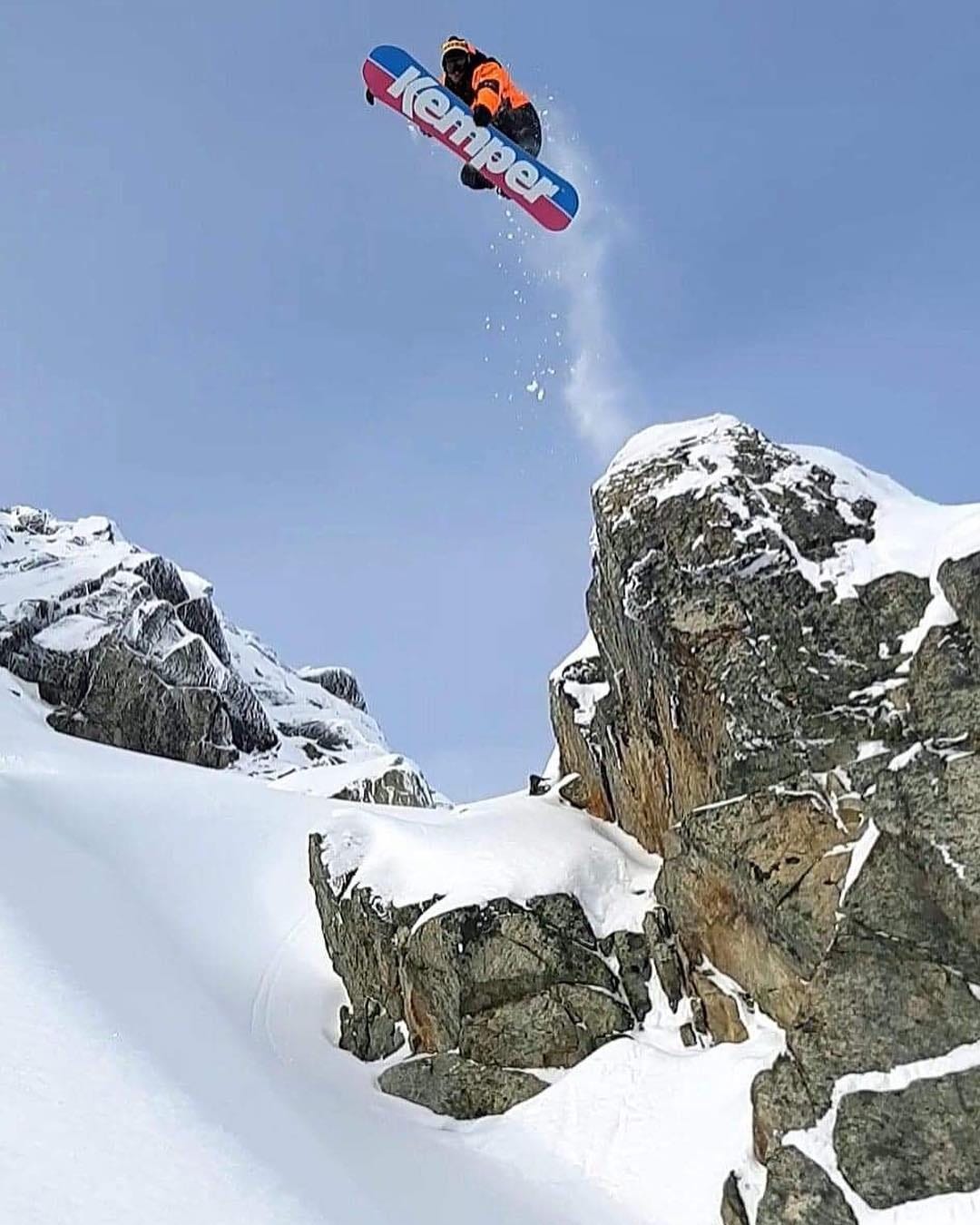
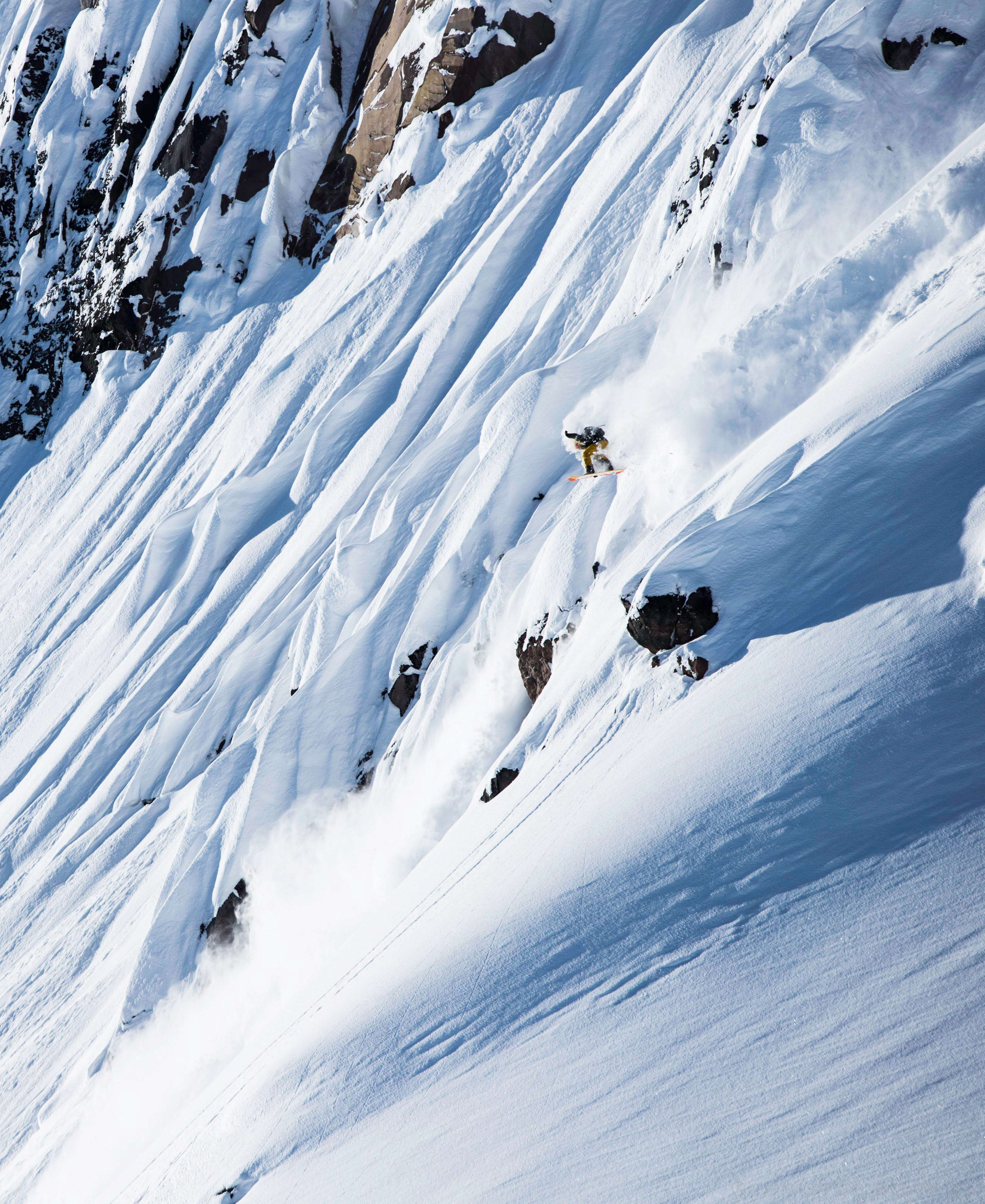
The backcountry stuff came later, but it came naturally. He applied the same full-send approach he’d learned on street rails and halfpipes to big mountain terrain. He wasn’t trying to be a big mountain guy. He was just snowboarding and the mountains were there for the taking.
By the time I knew him, Martin had already accomplished more in snowboarding than most riders will in three lifetimes. He’d built a log cabin in Squamish with his own hands. He’d created content platforms that gave future video icons their first real exposure. He’d proven you could have a decades-long career in snowboarding without compromising on what matters.
What’s amazing about Martin’s story isn’t the video parts or the magazine covers, though those were legitimately impressive. It’s that he maintained the same energy and approach from when he was an unknown kid from Montreal to when he was a 52-year-old respected veteran. That consistency is rare in any industry, but especially in Action Sports where everyone’s constantly chasing relevance.
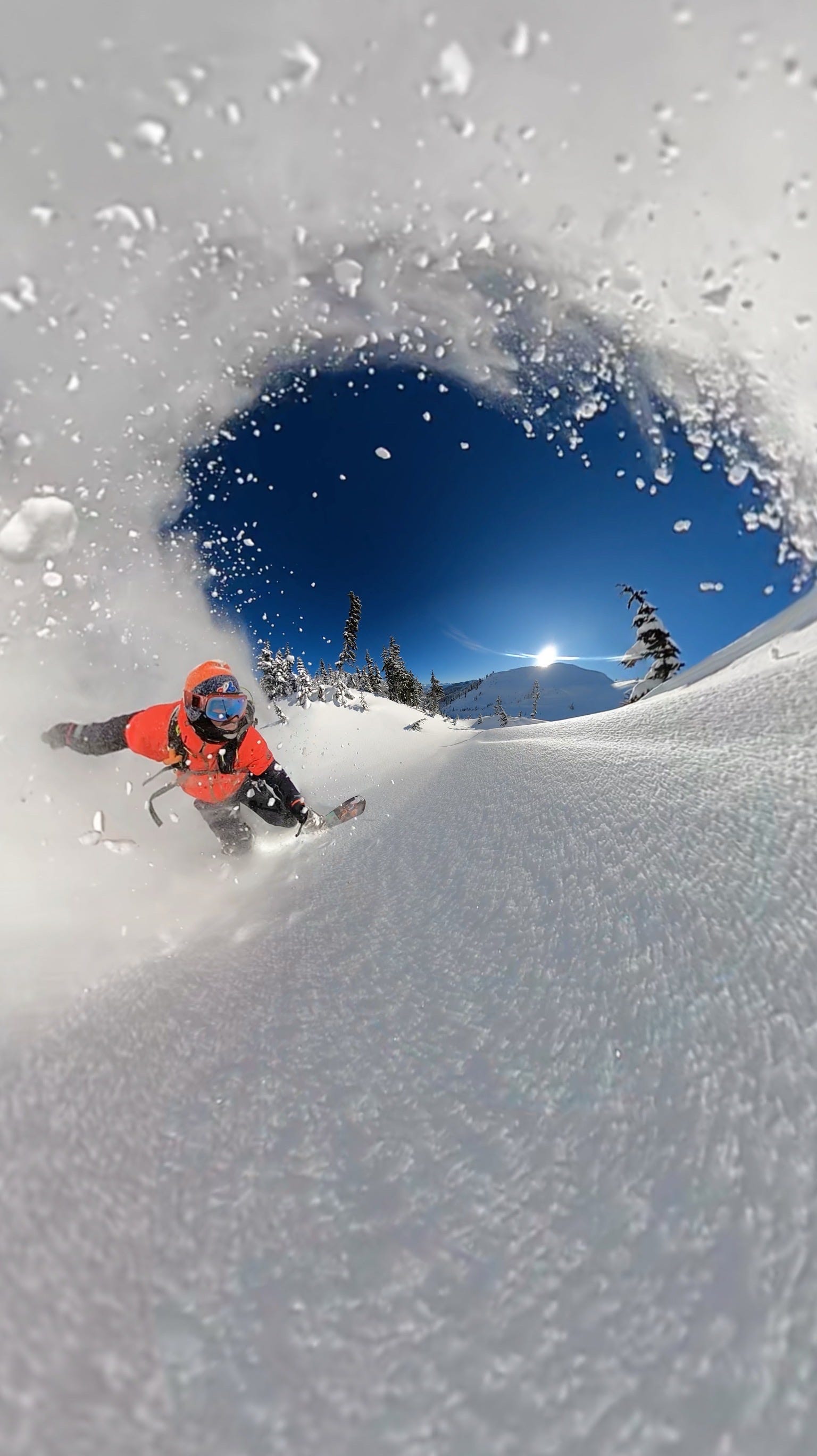
The French-Canadian snowboarding scene that exists today, the one that’s produced some of the best riders and most creative content in modern snowboarding, exists because Martin showed up first and showed them it was possible. That’s not an exaggeration. That’s documented fact.
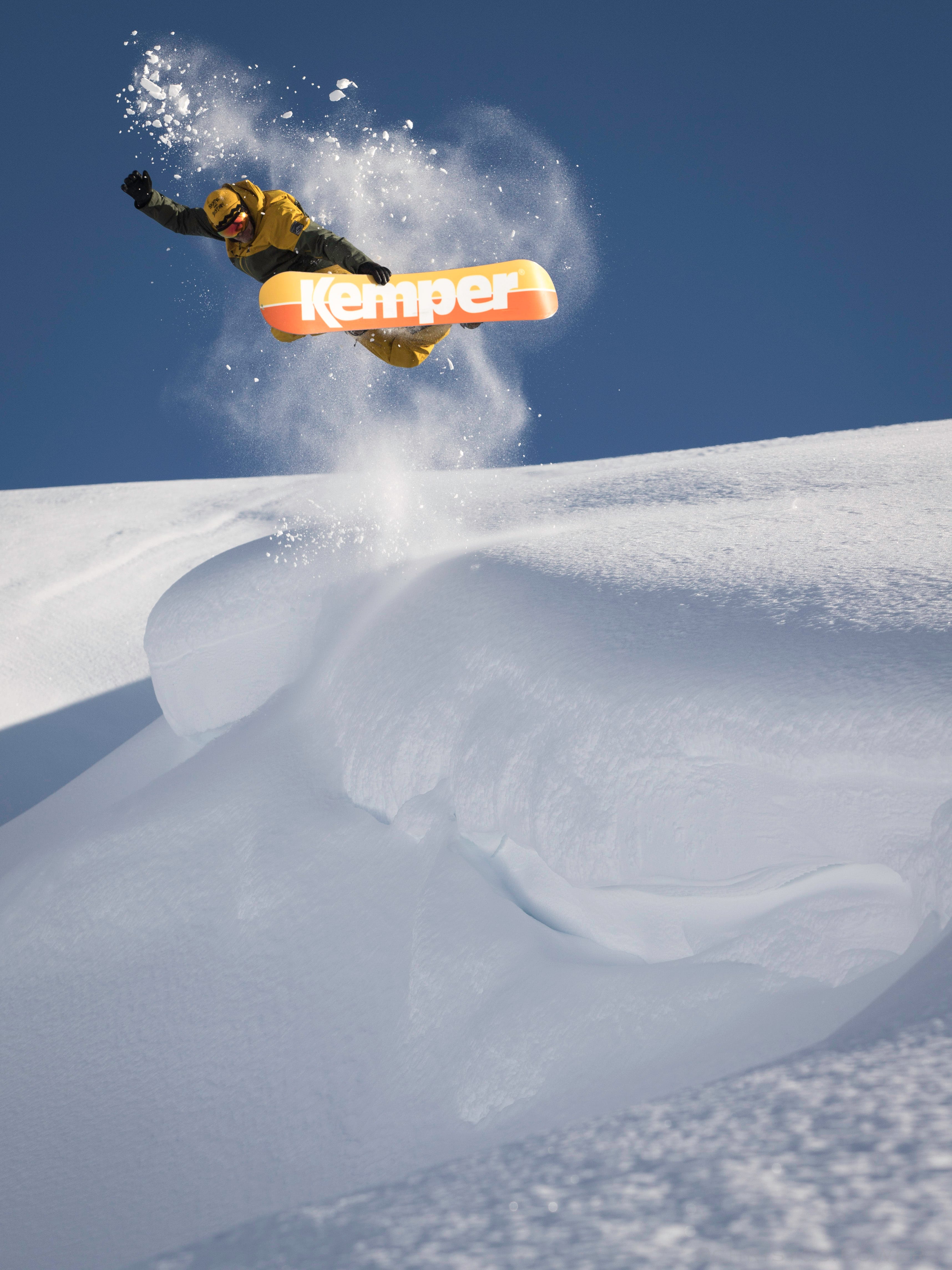
Martin passed away too young, leaving behind a community that genuinely loved him and a legacy that influenced snowboarding in ways most riders never will. He got sick, his snowboarding piers rallied, and in the end, cancer doesn’t care about how hard you charge or how many people you’ve inspired. Cancer can fuck off!
What he proved, though, is that you can build an entire career, an entire life, around actually snowboarding instead of just talking about it. In an industry increasingly dominated by people who’ve never done the thing they’re managing, that matters more than ever.
Rest in peace, Godfather. Thanks for showing us what real snowboarding looks like.
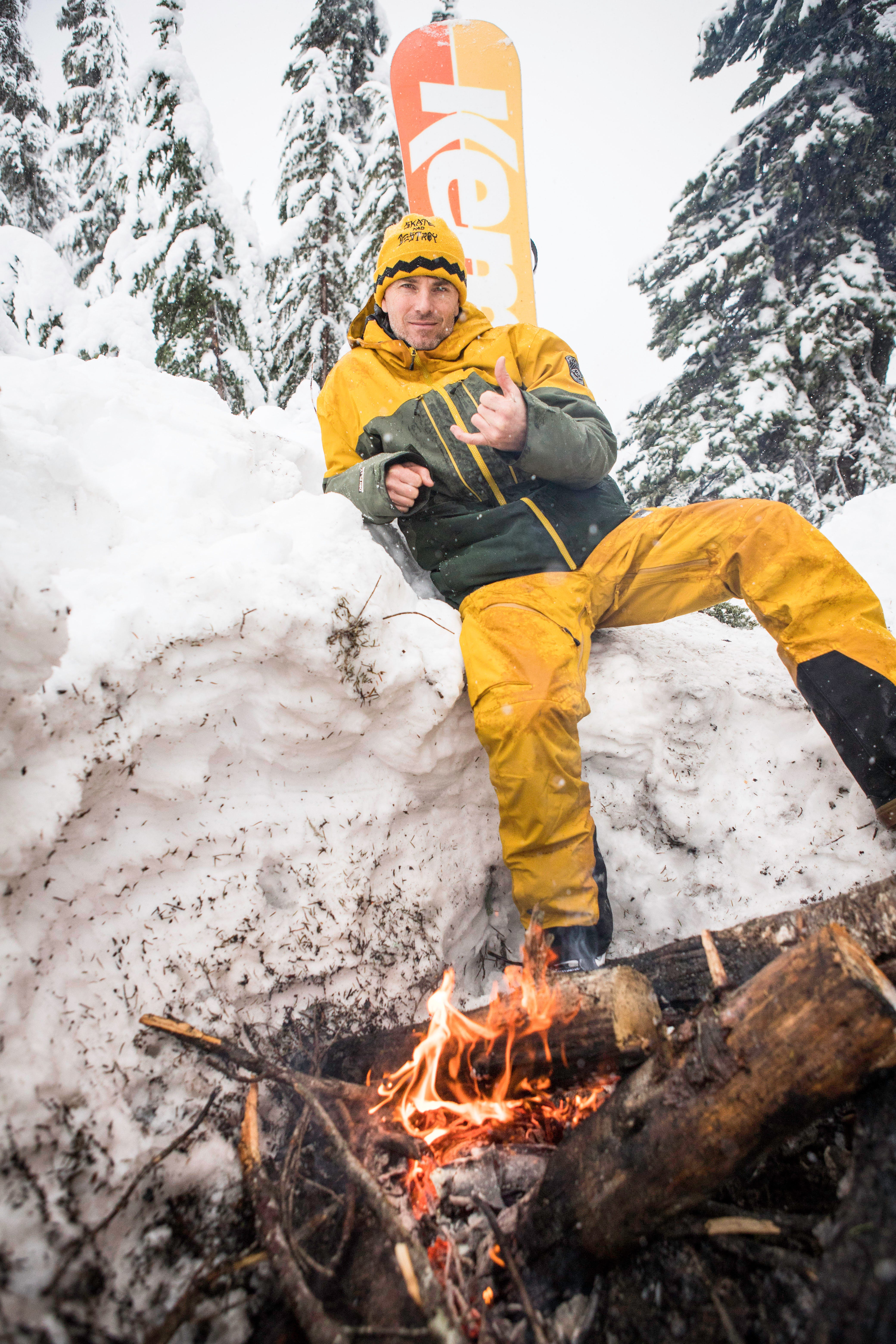
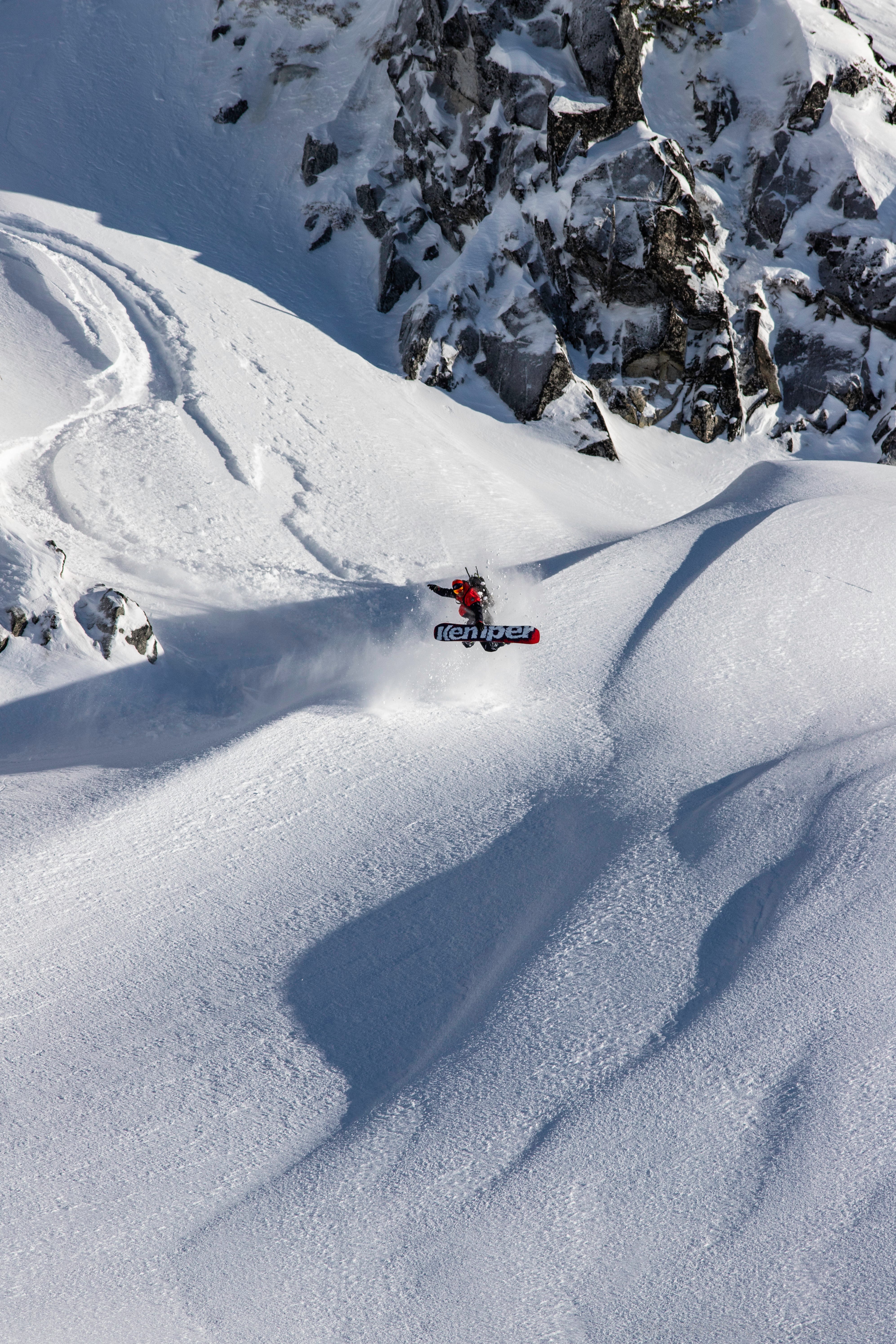

Wow, another amazing true story and real tribute to a legendary truly good guy snowboarder. Thanks!