



What separates a $75 Wildhorn from a $283 Smith I/O Mag when they both use magnets? Everything.
Magnetic lens systems have revolutionized goggle technology, but the gap between budget and premium engineering is massive. This guide explains what you’re getting at every price point and why interchangeable lenses fundamentally change how you ride.
Why Lens Swapping Actually Matters
Light conditions change constantly on the mountain. That perfect 15% VLT bluebird lens becomes dangerously dark when clouds roll in. Your 60% VLT storm lens turns the world into an overexposed mess when sun breaks through.
Riding with the wrong tint isn’t just uncomfortable; it’s dangerous. In flat light with a dark lens, you can’t see terrain variations or ice patches. Storm lenses in bright sun cause eye strain and reduced peripheral awareness. With quick-swap capability, you optimize vision in real-time instead of compromising for two-thirds of your day.
Traditional clip-in systems were such hassles that riders never swapped lenses. Magnetic technology takes 3-5 seconds even with gloves, which means you’ll actually use your spare lenses and experience the vision benefits interchangeable systems provide.
How Magnetic Systems Work
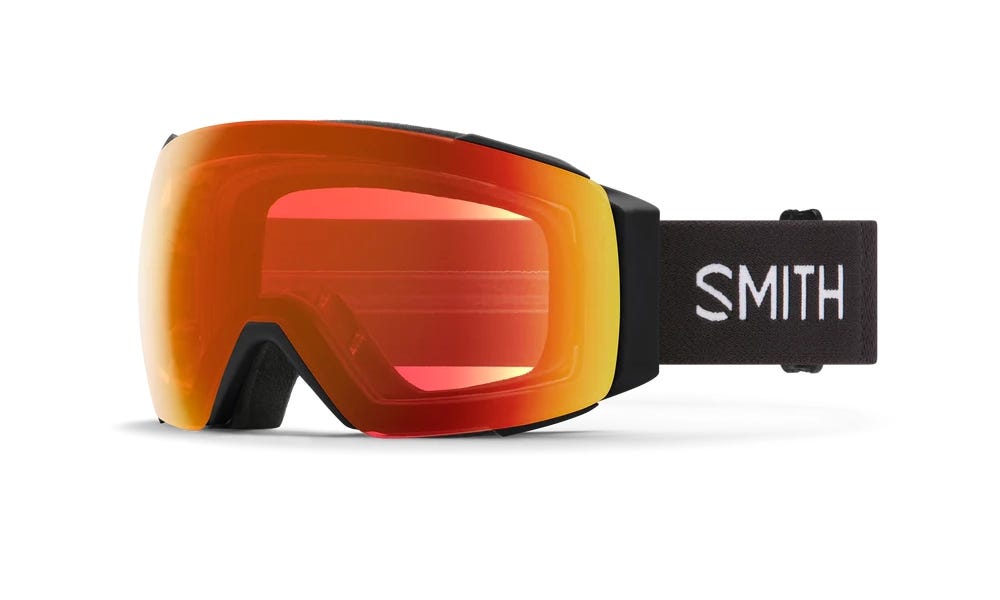
Premium systems like Smith’s MAG use 8 magnetic contact points plus dual mechanical locks. Even if magnets fail, side levers keep lenses attached. The magnets are N52 grade, the strongest available.
Anon’s Magna-Tech uses fewer but more powerful magnets. Dragon’s Swiftlock combines magnets with a single release lever. Budget brands like Wildhorn use rare-earth magnets with side-clip locks for reliable retention at accessible prices.
The difference isn’t magnet count. It’s magnetic field strength, manufacturing precision, and backup systems. Entry-level prioritizes value; premium adds engineering refinement for bomb-proof retention.
Safety note: Four years ago, snowboarder Shelby Perry’s magnetic lens popped off during a tree crash, resulting in permanent eye injury. Modern systems have dramatically improved with mechanical backup locks and stronger magnets. Budget goggles today are far safer than early implementations.

The Price-Performance Breakdown
Budget ($75-$100): Wildhorn Roca & Pipeline Wildhorn earned its US Ski Team supplier status by delivering legitimate performance at accessible prices. The Roca Pro ($79, spherical) and Pipeline ($89) feature rare-earth magnets with clip locks, Aurora lens technology with anti-fog coatings, and triple-layer foam. These provide honest optical performance backed by lifetime warranties. Perfect for riders logging 10-30 days who want magnetic convenience without premium investment.
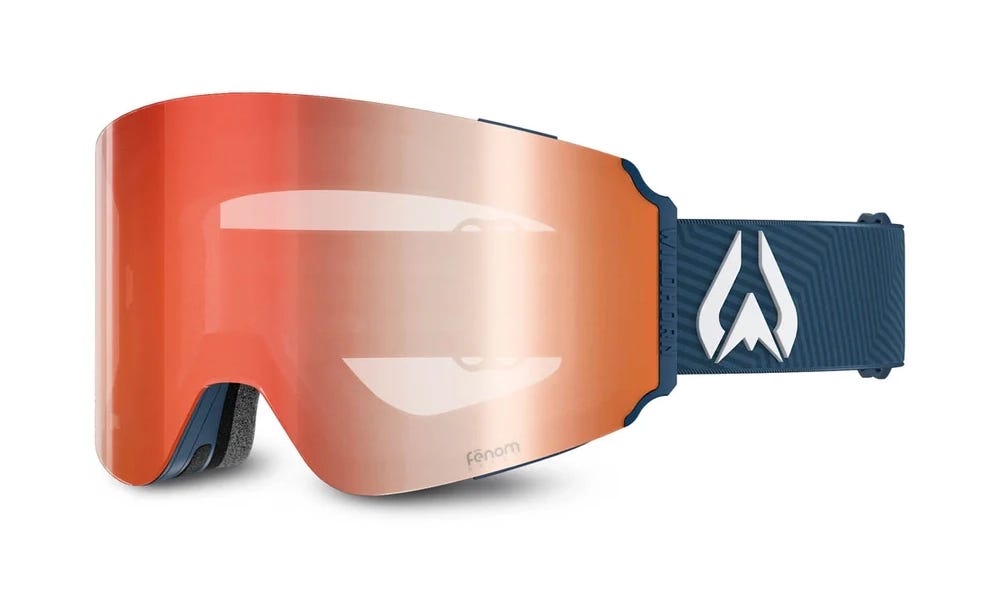
Mid-Range ($99-$200): Where Value Lives The Wildhorn Maxfield Pro L ($99) delivers 185° Outlook field of view and Fenom lens technology, enhanced clarity and contrast through custom tapered design. Double anti-fog coating offers 3x effectiveness. At this price, you’re getting optical tech that typically costs $200+.
The Maxfield Pro L Photochromic ($160) is Wildhorn’s flagship, adding auto-adjusting lens technology to the same platform. The photochromic range covers wide VLT from bright sun to low light. This competes with Glade’s Fathom+ ($175-200) and costs half what Smith charges for photochromic models.
Glade Fathom+ ($199) features award-winning REVEAL technology that adjusts in 15 seconds with premium toric optics. The 4K upgrade delivers exceptional flat-light performance.
Premium ($250-$350): Engineering Excellence Smith I/O Mag ($283) is the gold standard. Eight magnetic contacts plus dual levers create bomb-proof retention. Spherical ChromaPop lenses filter wavelengths that cause color confusion, revealing terrain details other goggles can’t render. Available in three sizes plus low-bridge fits.
Anon M5 ($315) features flat-toric lens design with Perceive technology rivaling ChromaPop. The smoothest magnetic operation; lenses twist out and snap back with precision. Includes magnetic face mask for extreme conditions.
Dragon NFXs Mag OTG ($260) offers frameless design with Lumalens optics and Over-The-Glasses compatibility. The Solace IR lens blocks 99% of infrared rays, reducing eye fatigue on bright days.
What to Buy
Best Overall: Smith I/O Mag ($283). Unmatched ChromaPop optics, flawless magnetic system, inspiring build quality.
Best Value: Wildhorn Maxfield Pro L ($99). Professional-grade 185° FOV and Fenom optics at a price that challenges anything under $200.
Best Photochromic: Wildhorn Maxfield Pro L Photochromic ($160). Auto-adjusting lens tech, premium field of view, for less than competitors charge for standard magnetic systems.
Best Budget: Wildhorn Pipeline ($89). Functional magnetic swapping, comfortable fit, massive cylindrical field of view. Real value from a US Ski Team supplier.
The Last Word
Interchangeable lenses change your riding experience. Optimizing vision for conditions makes you faster, safer, more confident. Magnetic systems make this actually usable.
For 30+ day riders, Smith or Anon deliver optical advantages that compound over thousands of turns. For maximum value, Wildhorn redefined accessible pricing. The Maxfield Pro L competes with $200-300 goggles. The Photochromic brings premium tech for less than most charge for basic magnetic systems. The Roca and Pipeline prove quality doesn’t require premium pricing.
Choose the price point matching your budget, but don’t compromise on the core benefit: swapping lenses when conditions change. That’s what makes modern goggles worth the investment.
