


The final weeks of December delivered legitimate snowboard news across competition, product development, and unexpected brand partnerships. Here’s what actually happened while most people were focused on holiday travel.
Park Contest Format Works
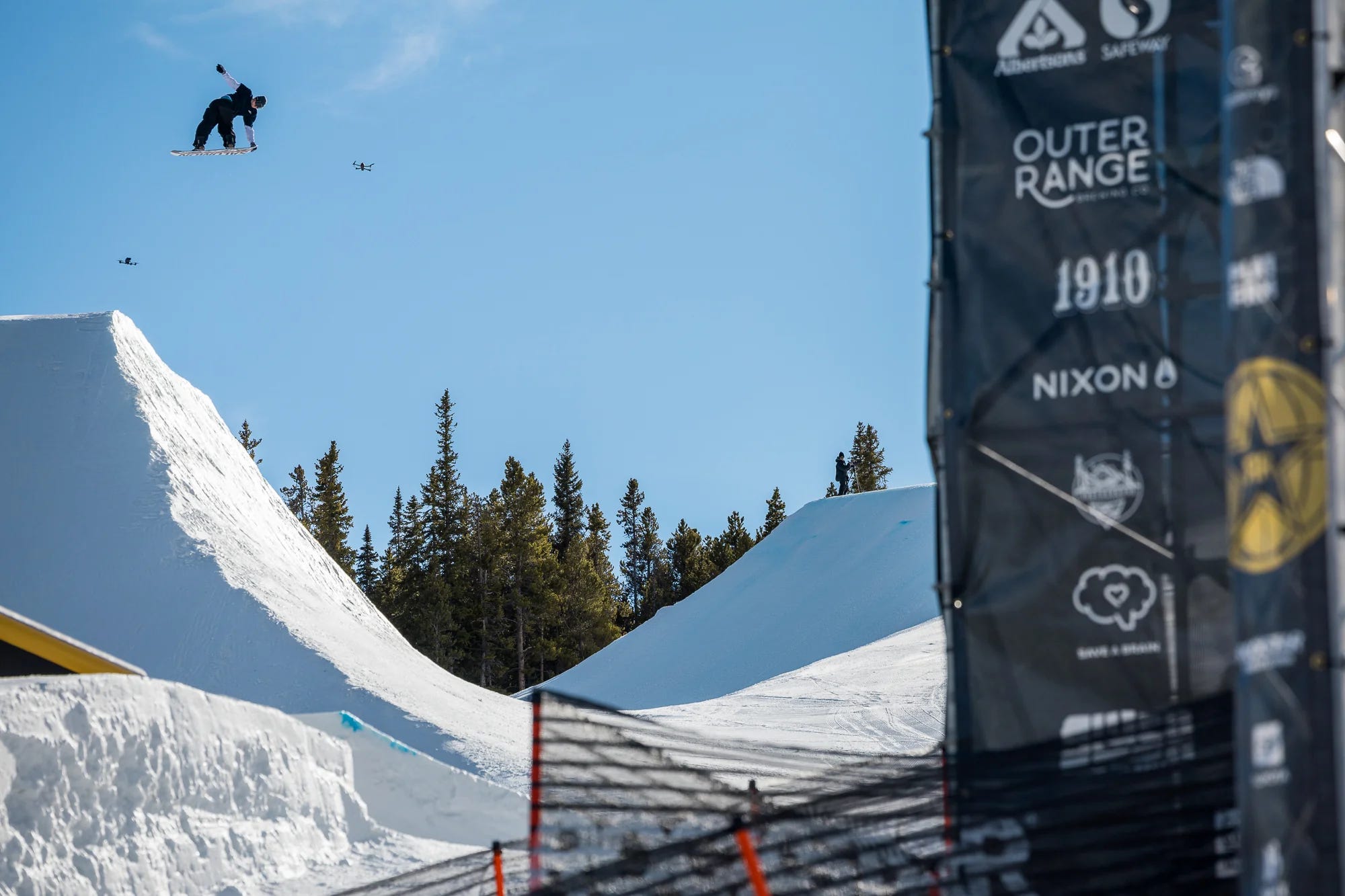
The inaugural Rockstar Energy Open wrapped December 21 in Breckenridge, proving that head-to-head bracket formats can deliver genuine entertainment. Dusty Henricksen took the men’s parkstyle final over Norway’s Øyvind Kirkhus, who earned his spot through the video qualifier series rather than a guaranteed invitation. That detail matters because it demonstrates the format allows unknown talent to advance based on performance rather than social media followers.
Telma Särkipaju won the women’s final against Jamie Anderson in what Anderson herself called a highlight, sharing the podium with riders significantly younger than her 34 years. Särkipaju competed through bruised heels from the previous week’s big air event in Steamboat, adding context to her performance.
The event succeeded by mixing established contest riders with street specialists and powder enthusiasts, creating legitimate variety in riding styles rather than the usual homogenous slopestyle approach. Whether this translates into ongoing viability for similar events remains unclear, but the first iteration worked.
Olympic Season Competition Begins
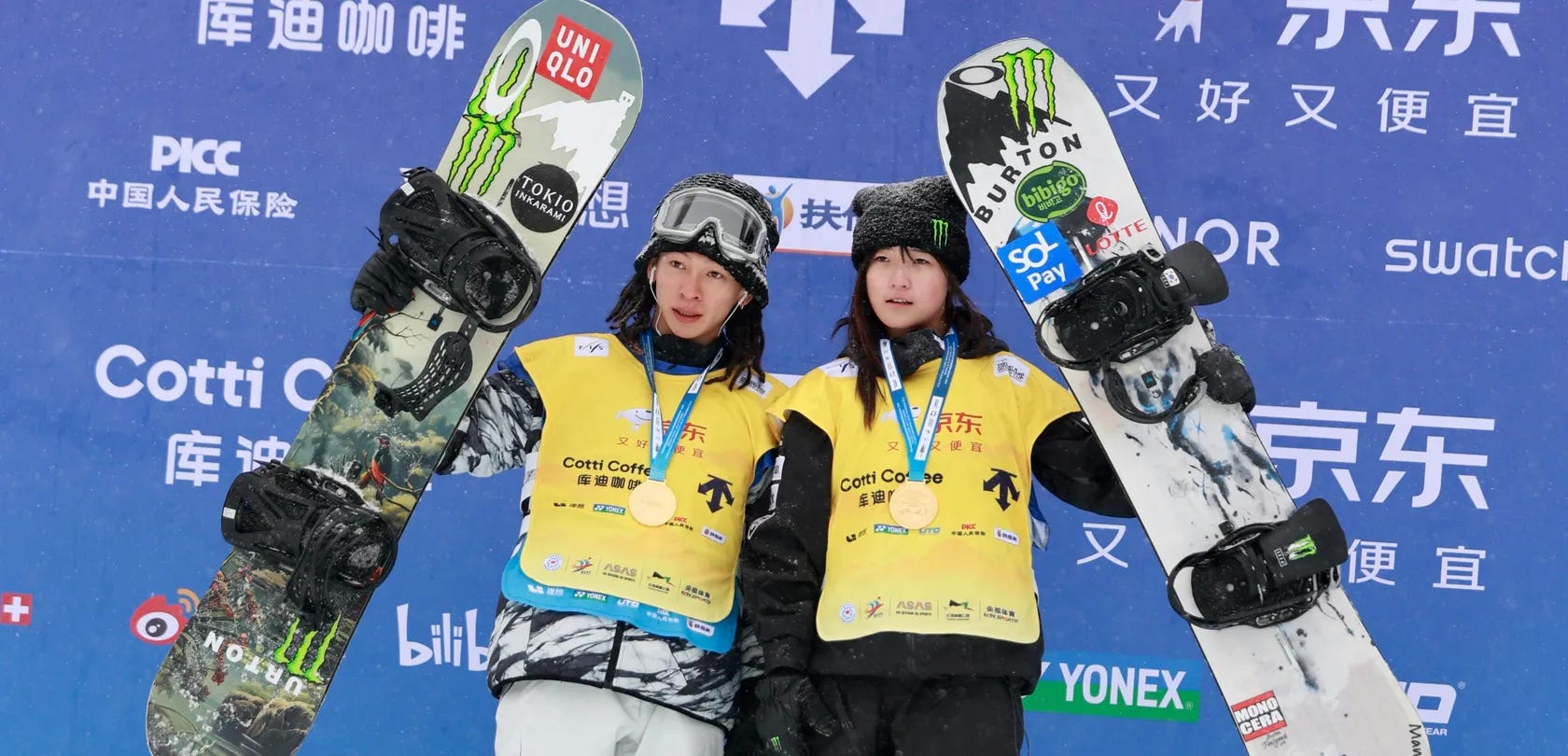
Japan reasserted halfpipe dominance at the Secret Garden World Cup on December 12, sweeping the men’s podium with Olympic champion Ayumu Hirano leading Yuto Totsuka and Crystal Globe holder Ruka Hirano. This marked Ayumu’s record 22nd World Cup podium, moving him ahead of American legend Ross Powers in FIS Park & Pipe history.
Korea’s Choi Gaon won the women’s event, building momentum after her Secret Garden victory heading into Copper Mountain the following week. The absence of American riders at Secret Garden set up an interesting dynamic when Chloe Kim returned to competition at Copper December 17-19, qualifying second overall behind Gaon’s 93-point run.
These early-season results establish baseline expectations heading toward Milano Cortina 2026. Japanese men continue their seven-year podium streak across 30+ consecutive events. American women showed depth with four qualifiers advancing at Copper despite sitting out Secret Garden. The Olympic qualification window is narrow, making these December events critical rather than ceremonial.
Soccer Meets Snowboarding
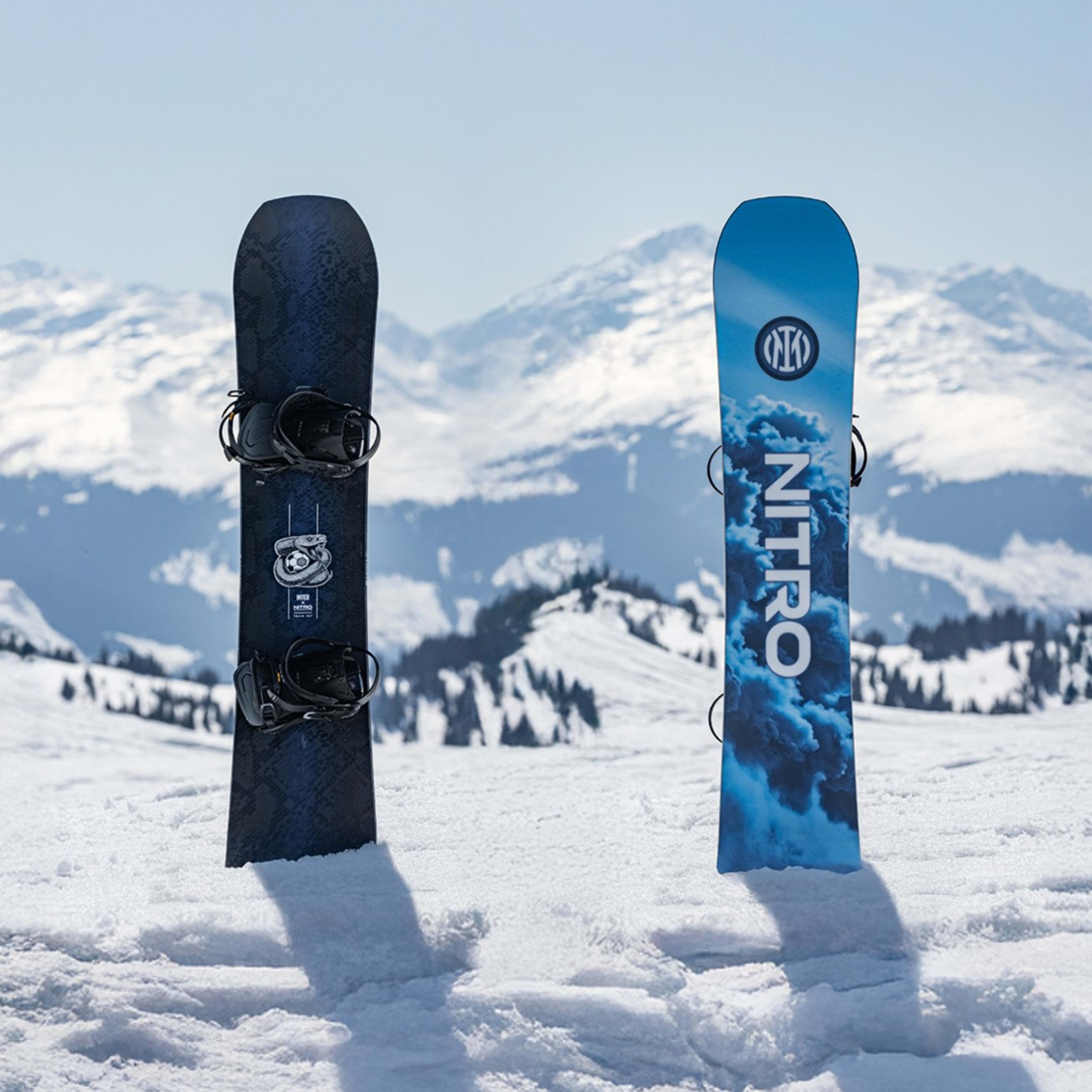
Nitro partnered with Italian soccer club Inter Milan for a limited-edition Team board, announced December 30. The collaboration places Inter’s blue-and-black colors on one of Nitro’s most versatile all-mountain models, available in four sizes.
This represents straightforward brand extension targeting casual riders who follow soccer more than competitive snowboarding. Nitro founder Tommy Delago cited Inter’s international identity and teamwork values as alignment points, which reads like standard partnership PR but isn’t wrong. The board uses 20+ years of Nitro Team development for versatile performance across terrain types.
Whether soccer fans actually buy snowboards remains questionable, but the move costs Nitro minimal risk while potentially reaching audiences outside traditional snowboard marketing channels. It’s harmless product diversification that won’t affect core riders either way.
Binding Technology Diversifies
The FASE (Fast Entry System) binding platform gained significant adoption with ThirtyTwo, Jones, Bataleon, and Rome all confirming integration for upcoming seasons. This matters because it challenges Burton’s Step On monopoly on quick-entry systems while maintaining compatibility with standard two-strap configurations.
FASE works with existing boots rather than requiring proprietary footwear, removing the $380+ barrier that Burton’s system demands. Riders preferring traditional strap feel can access faster entry without completely abandoning familiar binding mechanics or boot investments.
Our coverage positioned FASE as a “game changer,” which overstates impact but correctly identifies meaningful competition in a category Burton has dominated since 2017. Union already partnered with Burton for Step On compatibility, and now Nitro announced Step On bindings as well, creating an interesting dynamic where multiple brands support Burton’s proprietary system while others back FASE’s more open approach.
The binding category hasn’t seen this much genuine innovation activity in years. Whether FASE delivers on promised performance remains to be tested through full seasons, but increased options benefit riders regardless of which system ultimately proves superior.
Read: FASE Binding System Review
Snow Conditions Expose Western Fragility
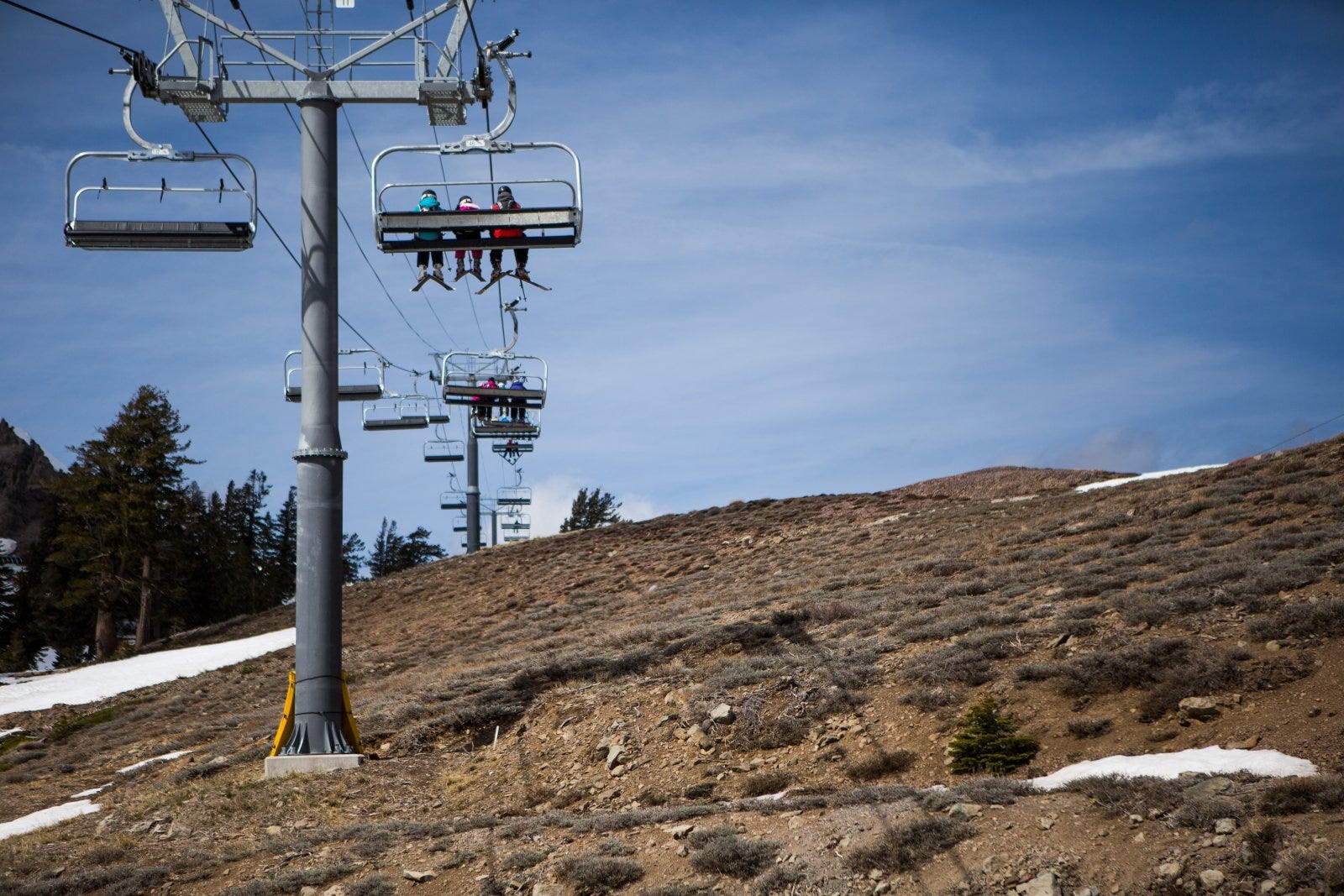
Colorado resorts closed out December with concerning totals. Not a single Colorado operation surpassed 70 inches of season snowfall heading into year’s end. Christmas brought warm temperatures and rain to multiple areas, with Vail hitting 43 degrees on Christmas Eve.
Utah faced similar struggles. Park City Mountain Resort showed bare trails through late December, with three resorts unable to announce opening dates through the holidays. The Christmas Eve storm that forecasters predicted turned into rain at base elevations. Only aggressive snowmaking during brief cold windows kept limited terrain accessible.
Idaho reported snowpack at just 31 percent of normal, with only 12 of 19 ski areas operating during the holiday period. Bogus Basin managed just 18 inches of base depth by December 22, while Tamarack opened limited runs on bare minimum coverage. Idaho, Oregon, and western Colorado recorded their warmest Novembers on record.
This isn’t breaking news to anyone paying attention over the past decade, but the trend keeps accelerating. While Canadian resorts like Lake Louise set December records, American operations confronted another reminder that reliable winter conditions are increasingly unreliable. Resorts responded with aggressive snowmaking infrastructure, but manufactured snow only delays fundamental problems.
What This Means
Competition formats are experimenting beyond traditional slopestyle structures. Japanese halfpipe strength shows no signs of weakening heading into another Olympic cycle. Brand partnerships are reaching into unexpected sports territories. Binding technology is finally evolving beyond incremental strap improvements.
But climate reality overshadows everything else. The industry keeps innovating products and refining contest formats while the fundamental resource supporting all of it becomes less reliable each season. Snowmaking infrastructure provides temporary solutions, but warm December temperatures and rain at 8,000-foot elevations expose limits to manufactured snow strategies.
Nothing here represents revolutionary change, but collectively it demonstrates an industry functioning in recognizable patterns while testing new approaches where opportunity exists—all while carefully avoiding direct conversation about whether that opportunity will exist long-term.
All hail Ullr. Pray for snow.
